
Carbon fiber fabric is a woven material constructed from high strength, low weight, stiff carbon filaments. It’s very widely used in aerospace, cars, sporting equipment, and wind power where a high strength-to-weight ratio is important. Typical weaves are plain, twill, and satin, which impact drape, finish, and performance.
Woven carbon fiber employs continuous tows laid in patterns that define both strength and appearance. Forged carbon employs small chopped fibers blended into resin and compression molded. Each plays a different role in structure and style.
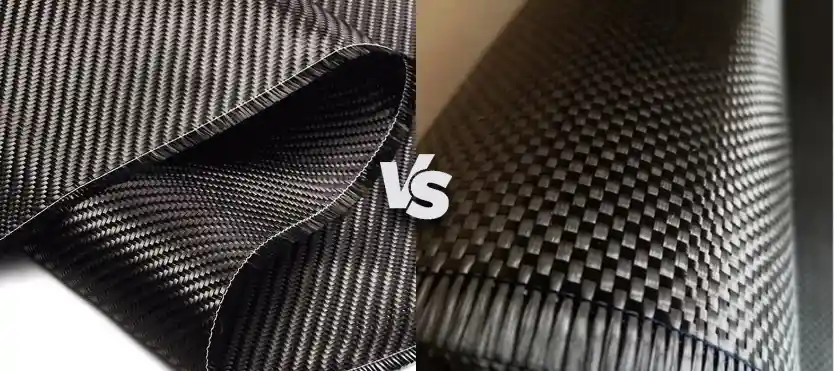
Woven carbon has visible patterns. Plain weave looks like a tight checkerboard with even crisscross lines. Twill displays a diagonal “2×2” or “4×4” rib that several consumer goods employ for a neat, upscale look. Jacquard weaving allows complex motifs to be made for logos or skins.
Forged carbon has a marbled, random surface. The chopped fibers lay in random angles, so the light diffuses in blotches rather than lines. No two parts look the same, which some designers like for one of a kind pieces.
Show a side-by-side photo to make this obvious: a twill panel next to a forged panel under the same light. This visual pattern influences decisions for cosmetic panels on cars, laptops, watches, and sports gear.
Weave provides consistent, directional strength as the fibers follow prescribed courses. Engineers can stack plies at 0 degrees or 90 degrees or plus or minus 45 degrees to direct tensile strength in load-heavy areas. When aligned well, woven layups can be stronger and more durable than forged carbon in tension and flex.
Chopped fibers randomly spread in many directions cause forged carbon to exhibit near-isotropic behavior. Strength is more uniform across axes, which aids impact and complex load paths. Its peak tensile strength can be slightly less than an optimized woven stack, but forged parts tend to handle edge hits and point loads better.
Weave choice matters in parts that bear load. If you want maximum stiffness along a known axis, like a bike top tube, woven plies at targeted angles prevail. If the part experiences mixed loads and knocks, like a housing or bracket with unusual features, forged carbon can be more secure.
Use woven carbon when you require directional stiffness and tensile strength, thin laminates with a high fiber volume, and a consistent appearance. For example, drone arms, road bike frames, tripod legs, and marine masts.
Use forged carbon for complex shapes, rapid post-tooling build times, and cosmetic skins with a marbled appearance. It creates harsh 90-degree corners, deep draws, and tight radii that woven fabric fights to drape. Paste made of chopped fiber can be stuffed into ribs, bosses, and pockets.
For premium axial strength, go with weave with aligned plies. For quasi-isotropic strength, impact toughness, and complex geometry, choose forged. Forged parts are compressed-molded in high pressure. Tooling is expensive, often several multiples of standard molds, but cycle times are low.
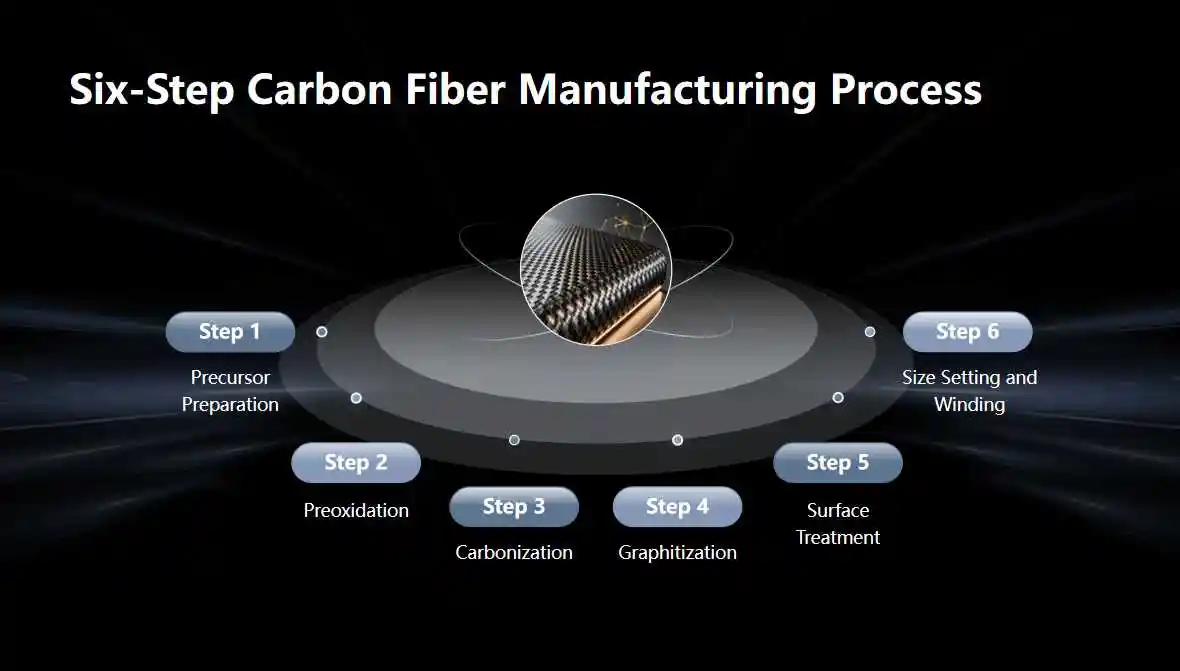
The Manufacturing Process of Carbon Fiber Fabric
Carbon fiber fabric goes from fiber making to fabric formation and ends as a composite after resin infusion. Temperature, atmosphere, and process speed are the keys to control.
Weaving converts these tows into fabric. Standard weaves include plain weave for a stable drape and balanced strength, twill for improved drape and fewer crimp points, satin for a smooth surface and greater conformability, and jacquard for complex patterns. Multiaxial fabrics stack layers at 0, ±45, and 90 degrees to tune stiffness. A 0/90 layup is ideal for flat panels, while ±45 helps with torsion control in bike frames.
This blend is then shaped under heat and pressure into solid components. The flow packs flakes into tight spaces and ribs, creating 3D shapes and thin walls woven sheets can’t reach. The cycle time is short, the tooling is robust, and the process lends itself well to mass production of brackets, sporting equipment, and automotive enclosures.
Vacuum-assisted resin transfer molding (VARTM) draws resin through stacked plies beneath a vacuum bag. Under the vacuum, the pressure forces resin through delicate fibers, guaranteeing a thorough wet-out, reducing voids and maintaining perfect alignment. Flow media and peel ply vents direct resin and assist release.
Carbon fiber fabric provides fashion with a sleek, high-tech visage and a tangible cutting edge. Designers love its dimensionality, lightness, and sleek profile. It sounds exotic and high-performance, which helps luxury positioning.
Woven carbon fiber exhibits an intriguing visual depth that shifts as light hits it. The finish has a slight sheen with a compact weave that appears sleek at a distance and decadent in detail. There are millions of strands in the fabric. Every thread is a bundle of fine filaments, so the texture has a nice crisp, almost three-dimensional effect.
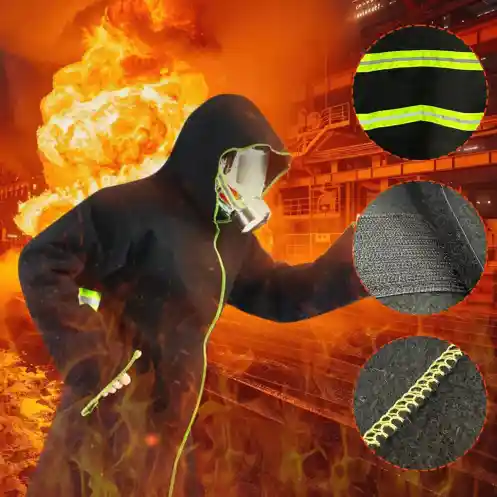
The outcome is slick equipment that turns heads both on catwalks and in combat conditions. How about biker jackets woven with carbon fiber panels, helmets with twill overlays, or fire resistant gloves lined with carbon fiber blends? The heat tolerance is a key trait. Some forms handle up to 100 degrees Celsius (212 degrees Fahrenheit), while reinforced grades exceed 2,000 degrees Celsius (3,632 degrees Fahrenheit), suiting heating elements and thermal shields in technical wear.
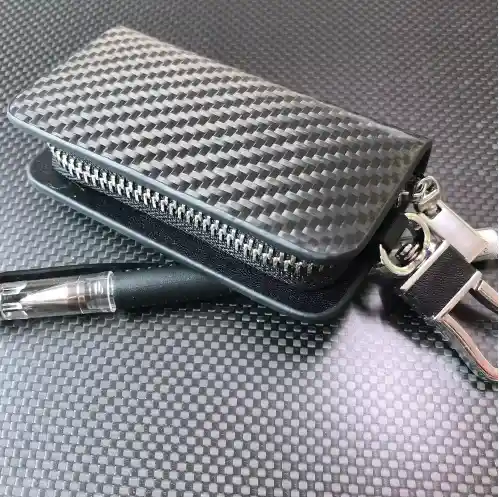
High strength opens new construction techniques for clothing. Carbon fiber is around five times stronger than steel and much lighter, allowing designers to slash bulk while maintaining form. Bags, shoes and jewelry get thin, firm support without bulk. Your tote can have a carbon fiber frame to hold shape and still weigh under 600 grams. Sneakers can reinforce heel cups and toe caps for support without stiffness. Ultra-light earrings prevent pull on the lobe.
It suits wearable tech and protective wear. Carbon sheets can distribute heat away from battery packs, protect components of a smart jacket, or provide impact resistance to cycling shells. Because carbon is man-made and 90% elemental carbon, it goes well with nylon, wool, or silk. Hybrid fabrics combine soft hand with stiff strength, handy for collars, brims, or pleated shapes that hold their crease.
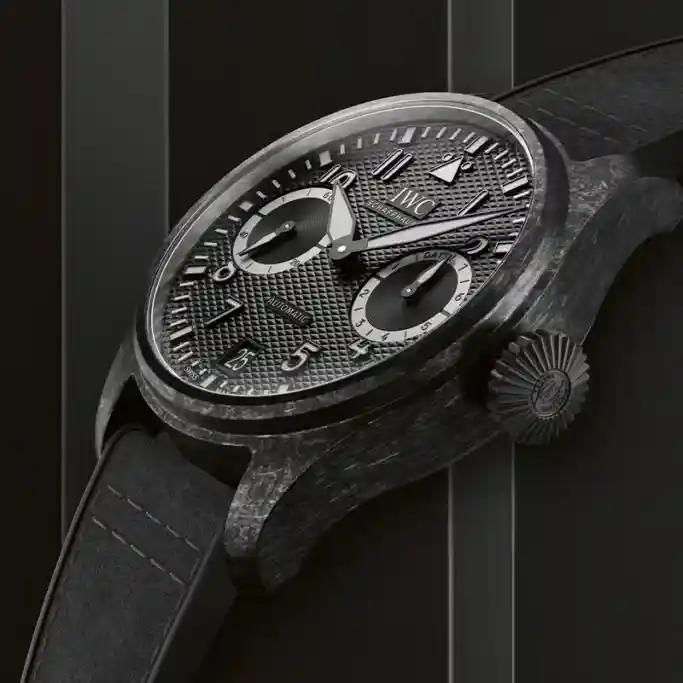
Carbon fiber denotes sophisticated design and top-grade status at every product level. Just a handful of limited drops leverage real carbon fabric — bezel inserts, dial plates, eyewear temples, and hard-shell luggage — tying fashion to motorsport cues. So brands are putting out bespoke pieces with exposed twill, matte clear coats or tinted resins for subtle color shifts. Carbon fiber fabric: the future of fashion. Its history stretches back to the 1800s, but its present attraction lies in weight savings. Aluminum is approximately twice as heavy and steel is around five times heavier. Its future-proof narrative is significant. Clever marketing can rely on scarcity and certified origin and performs when hot, tensile strength style claims to ground price and faith.
To select the appropriate weave, pair the weave with the task. Want smooth drape and clean seams? Go twill or plain. Want rugged style? Try forged. Post your picks or leave a comment with a use case. Glad to assist you check a sample or construct a minimal listing.

Connect with an NQ expert to discuss your product needs and get started on your project.
Contact Now
Woven carbon fiber features interlaced yarns for predictable strength and a classic woven appearance. Forged carbon fiber utilizes chopped fibers that are resin-compressed, resulting in a random pattern, complex shapes, and excellent formability. Woven is great for directional strength, and forged is really flexible for molded designs.
It begins with PAN precursor, which is oxidized and then carbonized at high heat to create the fibers. Fibers are sized, bundled into tows, and then woven into plain, twill, or satin fabric. For forged carbon, chopped fibers are combined with resin and compression-molded.
Sort of, it depends on the use. Woven fabric benefits from increased directional strength. Forged carbon provides more uniform, isotropic properties and complex molding capabilities. For engineered, load-carrying components, woven typically takes the prize. For complex forms, forged carbon is speedy and robust enough.
It’s durable and helps to minimize the amount of material that gets thrown away as you go. Manufacturing it is energy intensive, and recycling options are scarce. New recycling methods and bio-based precursors exist. Brands ought to straddle durability with good sourcing and end of life.
Check fiber type (e.g. 3K, 6K), weave style, areal weight (g/m²), resin compatibility and supplier certifications. Request datasheets, test results, and sample swatches. Reliable quality for your purpose, from fashion panels to accessories!