
What is Metal Corner Tape? A drywall accessory for reinforcing and finishing external corners, metal corner tape combines thin metal strips with a paper or vinyl facing. It fortifies plasterboard corners where knocks and fractures commonly begin, assists in straightening long runs, and reinforces a neat, flush finish that merges with adjacent surfaces.
While the majority are galvanized steel for corrosion resistance, aluminum shows up in lighter-duty lines. The facing is typically heavy-duty paper joint tape that is intended to key into joint compound and receive paint. Others have vinyl facers for moisture susceptible areas. Many brands apply a nose coating to the paper that reduces scuffing and fuzzing during finishing and sanding, which reduces rework.
The paper face encourages outstanding adhesion of joint compound, paint and texture. The micro-rough paper surface holds mud, allowing you to feather edges and embed the metal. With two to three coats of compound, sanded between, the corners look seamless. This comes in handy in hallways, elevator lobbies, schools and homes where those scary corners with the unprotected edges matter. When compared with bare metal bead, the tape face minimizes flashing in low-angle light and assists in matching the field’s surface after priming.
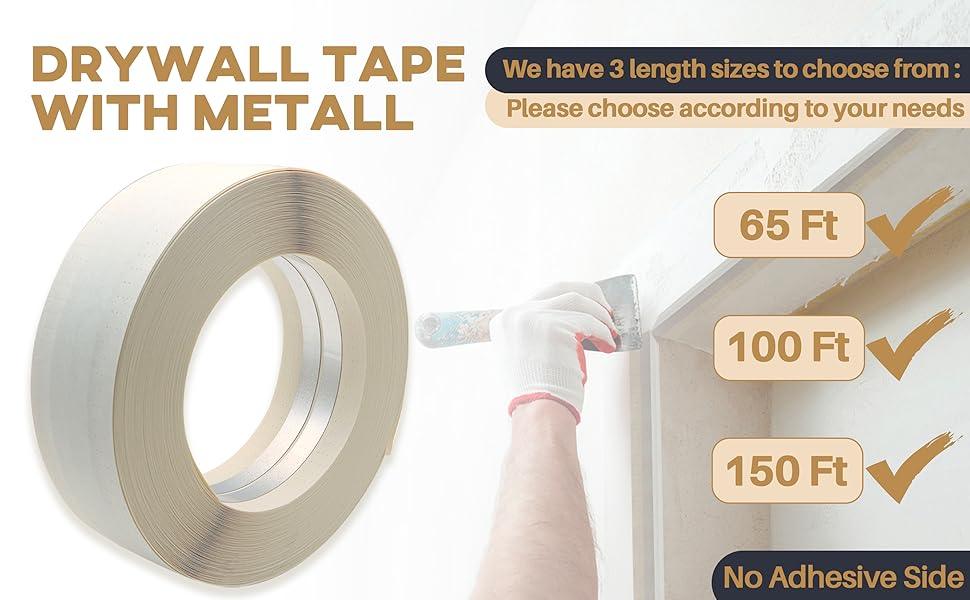
Metal corner tape provides tough protection against everyday abuse and accidental mishaps. It provides clean, crisp outside corners with better crack prevention than most traditional corner bead alternatives.
Constructed with galvanized steel strips or aluminum, the tape is rust and corrosion proof for years. Our patented metal core stays straight, so corners stay sharp even after bumps from carts, chairs or luggage.
It stands up to high traffic hallways, stairwells, and apartment doorways. Even if the framing is less than perfect or walls shift a bit, the reinforced edge holds its line and doesn’t kink. It transpires well on light steel keel systems and wood frames.
The center groove and fold pattern make sure the tape sits true on the corner, aligning neatly with wallboard edges. This geometry assists in laying out a straight arris with less hassle. It conceals gaps, chipped board, and feathered drywall cuts, so your compound builds a flat face that appears purposeful.
Joints at board transitions vanish once embedded, reducing exposed seams and hairline imperfections. Use a knife or drywall applicator to bed the tape and then feather compound 100 to 150 mm each side for a flush profile.
Metal corner tape prevents edge cracks, splitting, and nail popping at the corner line. Metal tape has its own set of benefits. Metal corner tape’s metal spine bridges weak spots and distributes stress.
External corners bear impacts and micro-movement. Reinforcement keeps them together over the long haul. It adheres well to joint compound and plasterboard jointing systems to create strong, flexible seams.
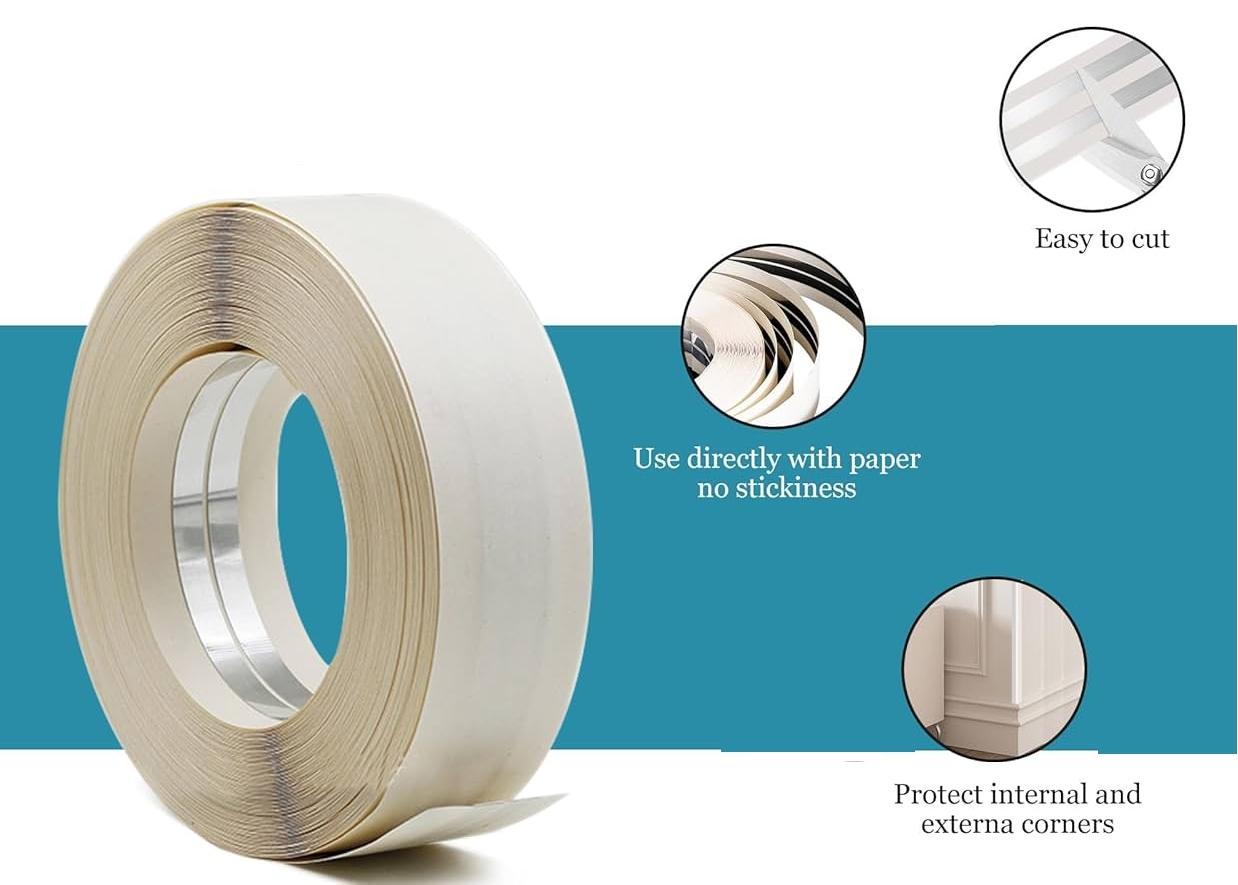
Suitable for drywall, plasterboard, gypsum systems, and furring channels. It works on inside and outside corners, odd angles and trims. It is convenient for niche edges and window returns.
One of the key benefits of metal corner bead is that it can be stapled or nailed to framing for a secure grip. Most think it is easier than paper tape, with much less wrinkling or bubbling, and usually requires fewer coats for a smooth, sharp finish.
Less repairs and quicker finishing lowers labor cost over the life of the space. The tape guards corners against chips and dents, so maintenance cycles extend.
As a supporting product, it enhances the level of nearby trim and finish pieces. Metal corner bead and tape create crisp corners that outlast paper-only solutions and better resist scratches, particularly on outside joints.
Metal corner tape provides those nice, sharp corners on drywall. It combines a metal reinforcement with paper flanges, so it’s dent resistant and stays straight. Applying metal corner tape requires clean prep, a steady hand, and the right tools.
Prep the corner. Clean it so dust, grit, and loose corner bead don’t compromise the bond. A vacuum brush or damp cloth works. Let the wall dry before you begin.
Inspect the edge for chips, cracks, and high spots. Fill the voids with compound, allow it to set, then scrape ridges. You want a firm, uniform, flat foundation so your metal lays straight.
Measure the corner height from floor to ceiling and cut tape 10–15 mm short to prevent binding at either end. For a niche or window return, trim each leg to its run and dry-fit.
Roll or skim with a drywall knife a thin, even bed of compound down both sides of the corner. Make it even in thickness to prevent lumps from telegraphing through.
Fold the metal corner tape along the center crease so that both flanges align. Maintain the fold crisp, which establishes the final angle.
Spread a thin coat of compound under one-eighth inch, then seat the tape into the wet bed with a drywall applicator or putty knife. Work from top to bottom in one smooth motion to eliminate air bubbles.
Press along the full length for best adhesion. A corner roller can help lock in the wings. Follow with a knife for an extra tight bond. Maintain firm pressure but don’t push out all the mud.
Line the tape up to the plumb line and sight down. Keep the knife at an angle, remove the excess and leave a crisp, clean arris.
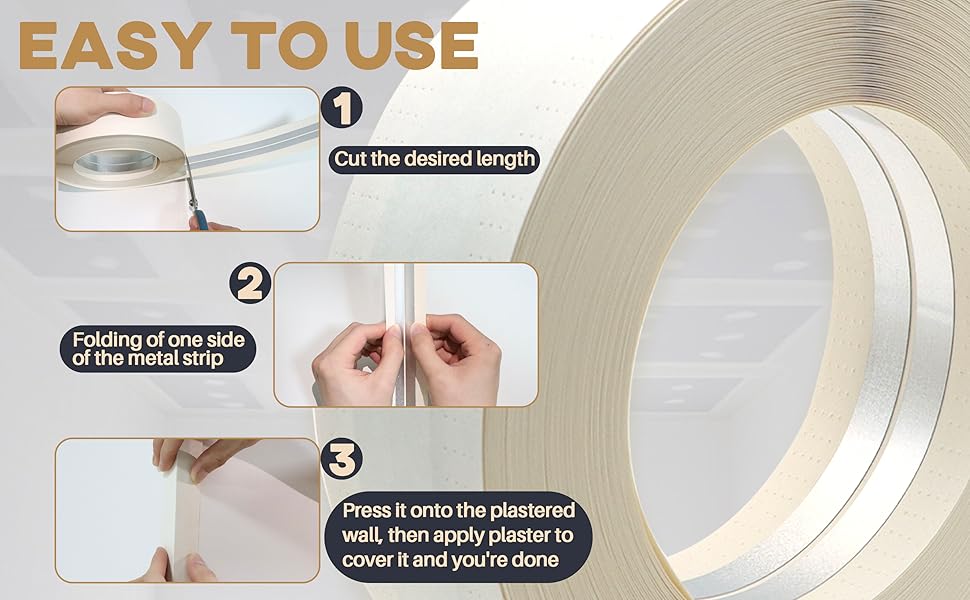
Apply 2 to 3 coats, each wider than the last, feathering 100 to 150 mm past the previous edge to blend seamlessly. Thin coats work better and help reduce sanding.
Allow each coat to dry completely. Twenty-four hours is a good rule of thumb before sanding and recoating. Hurrying seals in moisture and creates shrink lines.
Sand lightly with fine-grit paper to eliminate nicks and ridges while avoiding scuffing the paper face. Trace the corner from one end to the other. Then, spot check beneath raking light.
Strive for a flat, even surface prior to painting. Paper, mesh, and metal corner tape all have their place, but metal tape is best for outside corners that get banged up.
Metal corner tape shields and straightens edges, accelerates finishing, and enhances long-term durability. Selection should correspond to surface, traffic, moisture, and installation method.
Calculate your total running length of corners, including outside corners, window and door returns, bulkhead drops, and stairwells. Include 10 to 15 percent waste for cuts and overlaps. For big commercial cores, contractor rolls of 30 meters or 98.4 feet or cartons of several rolls reduce downtime. For small home rooms, 15 meters or 49.2 feet rolls minimize leftover inventory.
Checklist of mistakes to avoid:
– Ignoring window/door returns that double corner counts
– Forgetting shafts, soffits, and closet openings
– Mixing metric and imperial when totaling lengths
– Not accounting for test pieces and bad cuts
Typical planning figures: roll lengths 15 m and 30 m, carton coverage 300 to 600 m depending on product. Arrange by floor or zone to time construction.
Verify outside corners, inside corners, and unusual angles. Outside corners by doors and corridors take hits. Inside corners require tight, straight lines over long stretches.
For high-impact edges in schools, hospitals and busy halls, opt for wider flange or faced beads. Standard beads suit low-traffic bedrooms and offices. On challenging substrates, such as skim-coated masonry or textured boards, opt for perforated corner beads for improved compound keying.
52 mm flange width and 64 mm overall width. Metal tape is ideal where two walls intersect or around openings, and slotted-edge types tag mud, slice blisters, and accelerate coat-out. Standard paper tape cannot span gaps on a jagged surface.
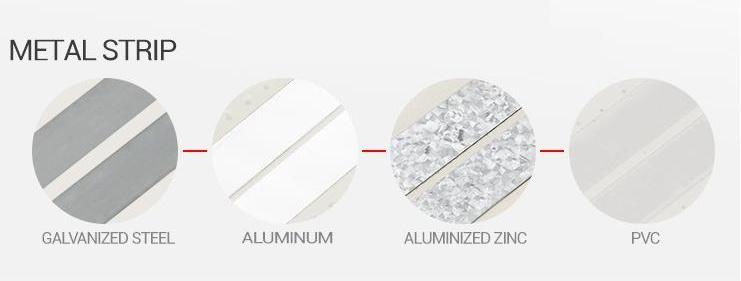
Select galvanized or electro-coated steel for wet areas, kitchens, outside walls, or coastal air. Aluminum won’t rust but dents easily. Vinyl bead or plastic tape is good for condensation, basements, and significant temperature fluctuations.
In basements and ceilings, consider insulation support and airflow to keep corners dry. Select tapes rated for wear in walkways. Your tape selection affects not only install speed but long-term strength, with certain types enabling you to work quicker and more accurately around uneven corners and rough textures.
Metal corner tape earns its stripes. It stays straight, holds sharp lines, and saves rework. Drywall edges get banged around.
Ready to secure crisp corners that stand the test of time. Shop local supply or browse top picks and compare online. Pick up a roll and try it in a room.

Connect with an NQ expert to discuss your product needs and get started on your project.
Contact NowMetal corner tape is used to reinforce drywall corners. It pairs a paper or fiberglass face with thin metal strips for reinforcement. It forms straight, long lasting outside and inside corners and resists dents and reduces cracks over time.
Usually, indeed. The metal backing provides rigidity and impact resistance. It stays straighter and lasts longer on high-traffic corners. Paper or plastic can work well for low-impact locations, but metal is far more durable.
Yes. You’ll need a utility knife, drywall compound, a taping knife, corner trowel, and sanding block. For goodness sake, don’t forget to use a corner roller to embed that tape nicely. No power tools needed.
Put a thin coat of compound on the corner. Center the tape and firmly press it in. Run a corner tool through it to smooth. Apply two to three very thin coats, feathering edges. Allow each coat to dry and sand lightly in between coats.
Time to match the tape to your project. Seek out corrosion-resistant metal, tough paper or fiberglass facing and a sharp center crease. Select wider tape for rough walls and pre-finished varieties if you prefer quicker, cleaner installs.