







Professional Cellulose Ether Manufacturer in China

✅️ 16 years of global production and sales experience

✅️ Cellulose Ether Factory in China, complete supply chain system

✅️ Cellulose ether annual production capacity of 50,000, to provide a stable supply, fast delivery

✅️ 98.2% customer satisfaction, NQ professional team do our best to meet your needs

nqfiberglassmesh | Cellulose

Your Reliable Cellulose Products Manufacturer

NQ is an influential cellulose ether manufacturer in China. We are committed to the research, development, production and sales of hpmc, hemc and hec. High-quality products and first-class services make us do better! 

√ Production base

Our company has two production bases with an annual capacity of 70,000 tons each. 

√ Quality Control

We strictly control the quality of products at every production stage from procurement to export. 

 Innovation

We have at least three technical research laboratories, and we also have a team of technology advisors from the top domestic research centers.

 
5/5
0 +

SF

Warehouse and factory

5/5
0 +

Total annual revenue

5/5
0 +

Skilled worker

Choose Your Cellulose Products

Hydroxypropyl Methylcellulose (HPMC)

Hydroxyethyl Cellulose (HEC)

Methyl Hydroxyethyl Cellulose (MHEC)

Hydroxyethyl Methyl Cellulose (HEMC)

Hydroxypropyl Cellulose (HPC)

Hydroxypropyl Starch Ether (HPS)

Microcrystalline Cellulose (MCC)

Carboxymethyl Cellulose(CMC)

Redispersible Polymer Powder(RDP)

Polyanionic Cellulose (PAC)

Methyl Cellulose (MC)

Ethyl Cellulose (EC)

Cellulose Packaging Information

We offer customized packaging solutions tailored to your specific needs, ensuring that your products are delivered securely and efficiently. Contact us now to discuss your customized needs!

nqfiberglassmesh | Cellulose

HPMC: 25 kg/bag

nqfiberglassmesh | Cellulose

MHEC: 25 kg/bag

nqfiberglassmesh | Cellulose

HEMC: 25 kg/bag

nqfiberglassmesh | Cellulose

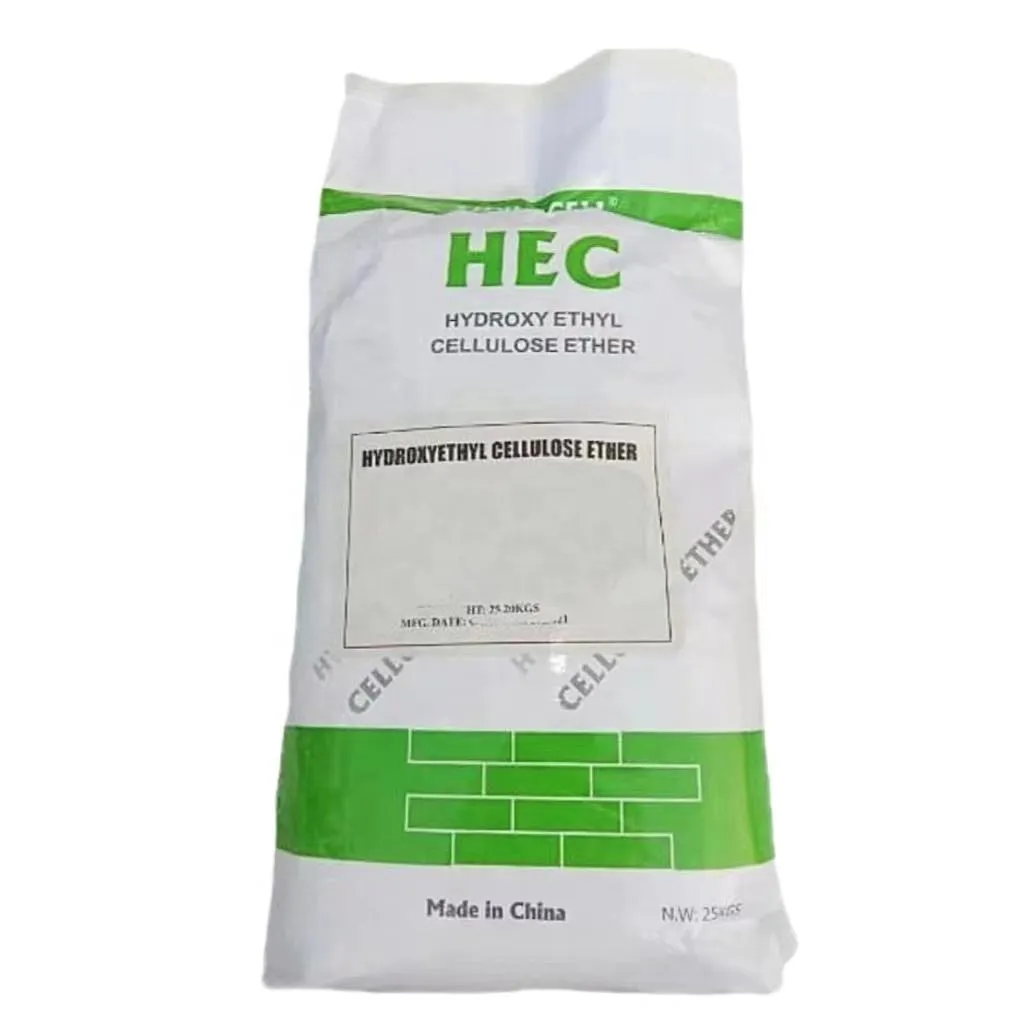
HEC: 25 kg/bag

nqfiberglassmesh | Cellulose

CMC: 25 kg/bag

nqfiberglassmesh | Cellulose

HPS: 25 kg/bag

nqfiberglassmesh | Cellulose

VAE: 25 kg/bag

nqfiberglassmesh | Cellulose

PVA: 25 kg/bag

Industry-Tailored Cellulose Ether Innovations

Cellulose Specifications

Brand Name

NQ

Product Name

Cellulose

Material

Refined Cotton

Type

Powder

Classification

Chemical Auxiliary Agent

Storage

In The Shade

Function

Thickening Agent

Application

Construction industrial, food grade, daily chemicals

Moisture

5% Max

MP

274 °C (dec.)

PH

6.0-8.0

Heavy Metal

10PPM

Viscosity

400-200000 Mpa.s

Appearance

White Powder

Usage

Electronics Chemicals, Paper Chemicals, Rubber Auxiliary Agents, Textile Auxiliary Agents, Chemical Auxiliary Agentr

Purity

99.90%

Certification

CE, ASTM, SGS, ISO, BSCI 

Sample

Availiable

Place of Origin

Jiangsu, China

NQ Cellulose High Quality Production Process

1. Raw Material Selection And Pretreatment

We select high-quality cellulose raw materials like wood, cotton, and bamboo, and perform pre-treatment to enhance purity and efficiency. This reduces impurities, improving product stability and reliability, ultimately providing you with superior cellulose products tailored to your needs.

2. Alkali Cooking And Lignin Separation

Pretreated raw materials are cooked with an alkali solution to separate lignin and impurities from cellulose. This efficient separation yields relatively pure cellulose pulp, enhancing purity, reducing processing costs, and providing you with more cost-effective products.

3.Cellulose Dissolution And Purification

The cellulose slurry is dissolved in a solvent, such as sulfuric acid, to disperse the cellulose molecule structure. Impurities and undissolved cellulose are removed through filtering and centrifuging, resulting in a high-purity cellulose solution that ensures product consistency and stability.

4.Cellulose Regeneration And Molding

The purified cellulose solution is processed in regeneration equipment, where cellulose fibers are formed under specific conditions. These fibers are then dried, cut, and packaged into various specifications, meeting your diverse needs and enhancing product applicability and flexibility.

5.Product Quality Inspection And Control

We perform strict quality inspections on cellulose products, testing physical properties like strength and chemical properties such as purity. Based on results, we optimize production processes to ensure each batch meets your requirements and industry standards, enhancing satisfaction and trust.

6.Finished Product Packaging

We choose appropriate packaging materials, like moisture-proof paper and aluminum foil bags, to protect products during transport and storage. Each unit is clearly labeled with product name, specifications, production date, and shelf life, ensuring you receive products in optimal condition.

Why Choose Us As Your Partner?

Numerous Customers

Serving 2,000 customers in China,  NQ will be registered as a new brand in August 2022 and promoted to the world.

Abundant Products

In order to meet the different application needs of customers around the world, our products are divided into twelve series.

Technical Strength

The technicians are the first batch of scientific research personnel of state-owned enterprises in China, a strong R & D team.

Productive Capacity

Manufacturing factory has an annual production capacity of 50,000MT of MC (HPMC/HEMC) plus 4,000MT of HEc.

Quality Control

NQ cellulose is ISO 9001:2000 certified and has its laboratory for quality control.We strictly guarantee the quality of our products.

Export Standard

The most advanced horizontal reactor and quality testing equipment have reached the EU factory standard.

Customer Reviews

5/5

“NQ has consistently provided us with high-quality methyl cellulose products and meticulous services, significantly promoting our business development. Their strict quality control ensures stable performance and reasonable pricing, keeping us competitive in the market. NQ also offers customized solutions that enhance our production efficiency.In addition to excellent products, NQ’s service is commendable, with professional pre-sales consultations, in-sales guidance, and prompt after-sales support. Their team addresses our issues effectively, making collaboration convenient and reassuring.We recognize that a reliable supplier is crucial for success, and NQ is that partner. We sincerely thank your company and look forward to continuing our close cooperation to create a better future together.”

nqfiberglassmesh | Cellulose

Brain Williams

Entrepreneur

5/5

“Since establishing our partnership, NQ has proven to be a trusted leader in the cellulose industry, providing excellent product quality and indispensable support. We appreciate NQ’s strict quality control, ensuring that every delivery of cellulose powder meets high standards for purity and stability, enhancing our market competitiveness and reputation.NQ’s reasonable pricing and flexibility in addressing our specific needs have significantly boosted our confidence in this collaboration. Their after-sales service is commendable, offering timely technical support and guidance whenever we encounter challenges.Looking ahead, we are eager to deepen our cooperation with NQ, exploring new possibilities and tackling market challenges together. By working closely, we can achieve even greater success and create a brighter future for both our companies.”

nqfiberglassmesh | Cellulose

Lucy Perez

Entrepreneur

5/5

“Since our cooperation began, NQ has consistently provided solid support for our production with excellent product quality, professional service, and efficient supply capacity. As a long-term buyer of cellulose products, we recognize the importance of a reliable supplier for production stability and quality.NQ’s strict quality control ensures that their hydroxyethyl cellulose products are stable, high-quality, and competitively priced, enhancing our market reputation. Their commendable service includes prompt responses to inquiries, sample provision, and effective logistics support, ensuring smooth production processes.Additionally, NQ shares valuable market insights and technical information, helping us optimize our operations. We sincerely thank the NQ team for their continued support and look forward to deepening our collaboration to achieve even greater success together!”

nqfiberglassmesh | Cellulose

Thomas Carter

Entrepreneur

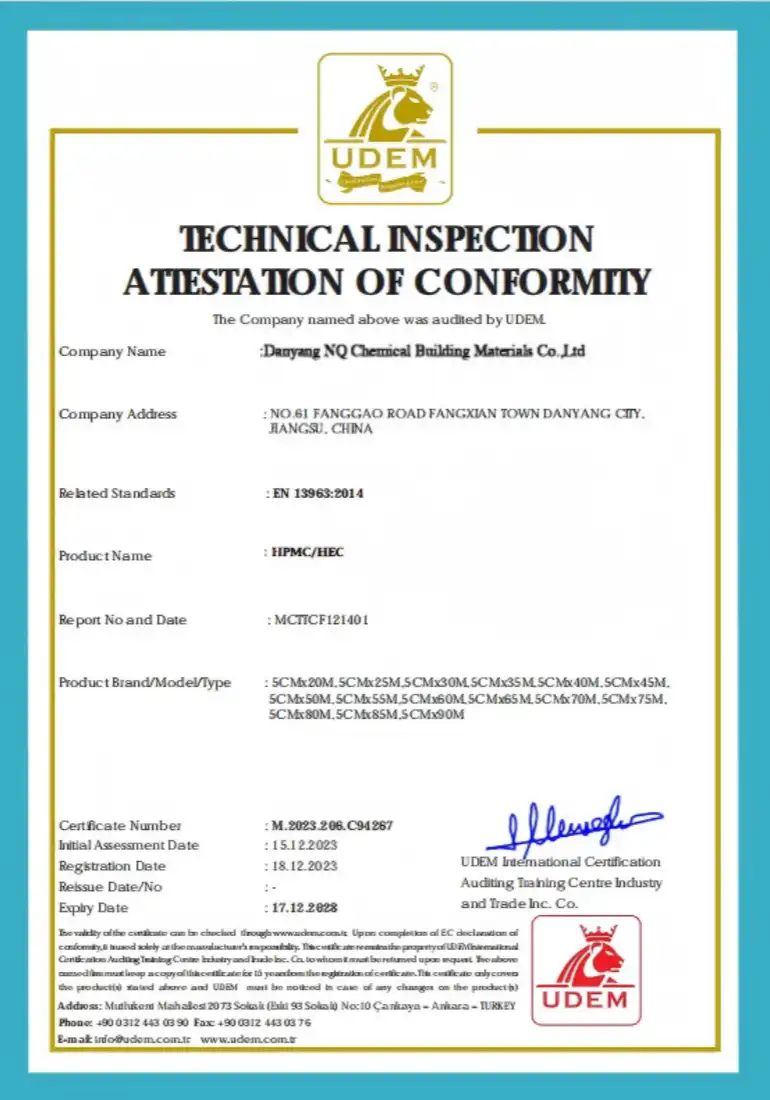
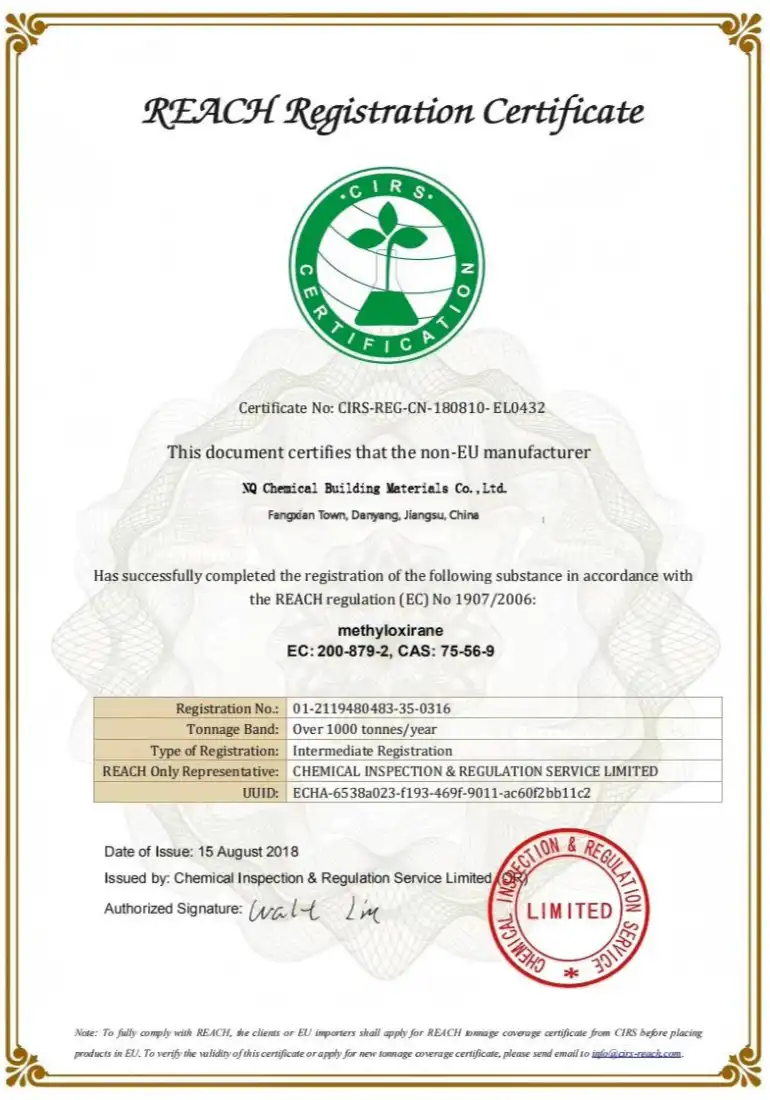
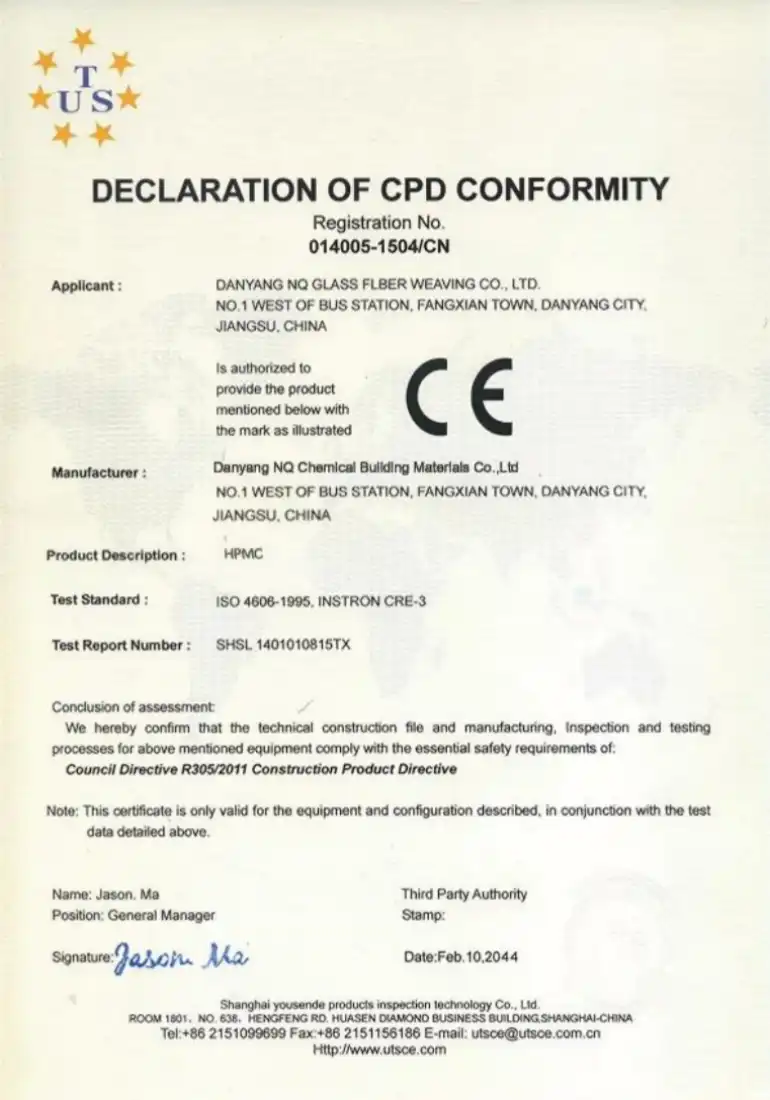
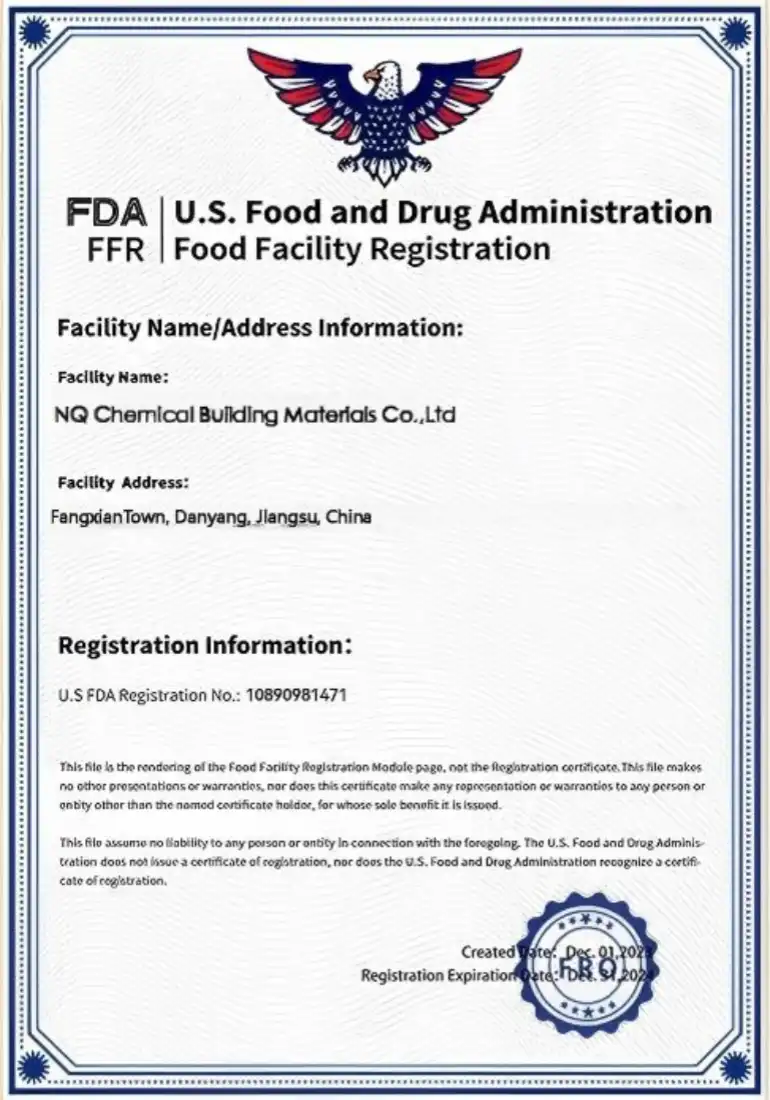
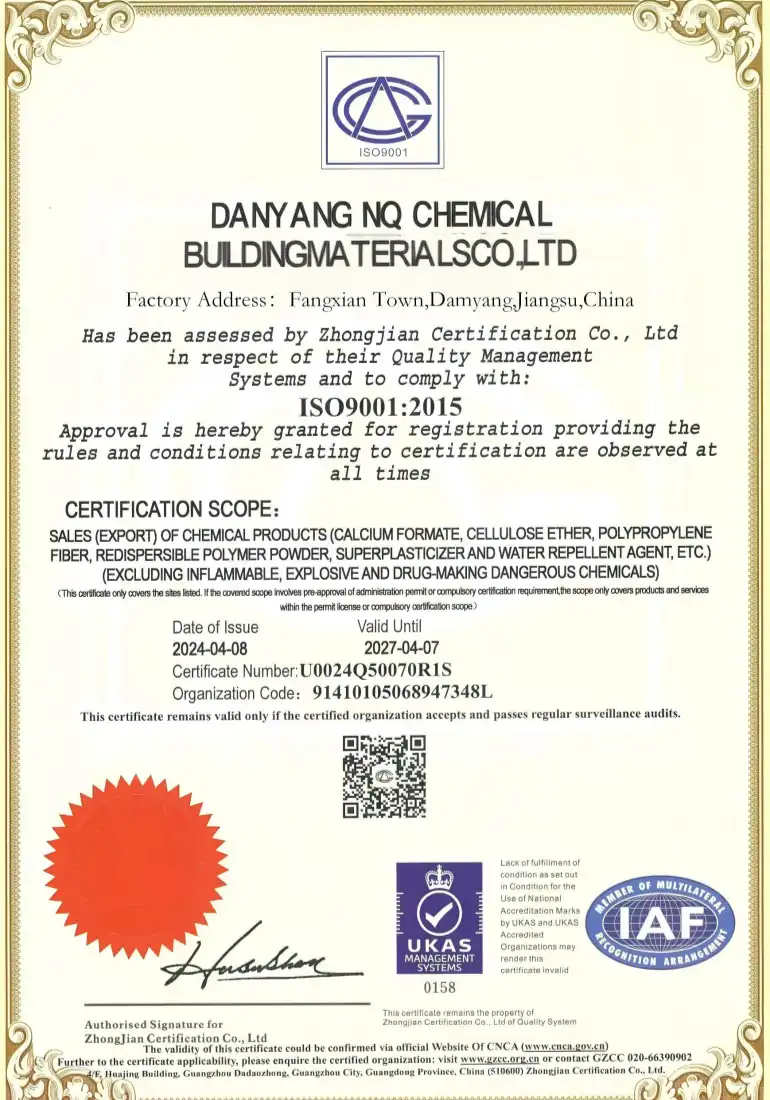
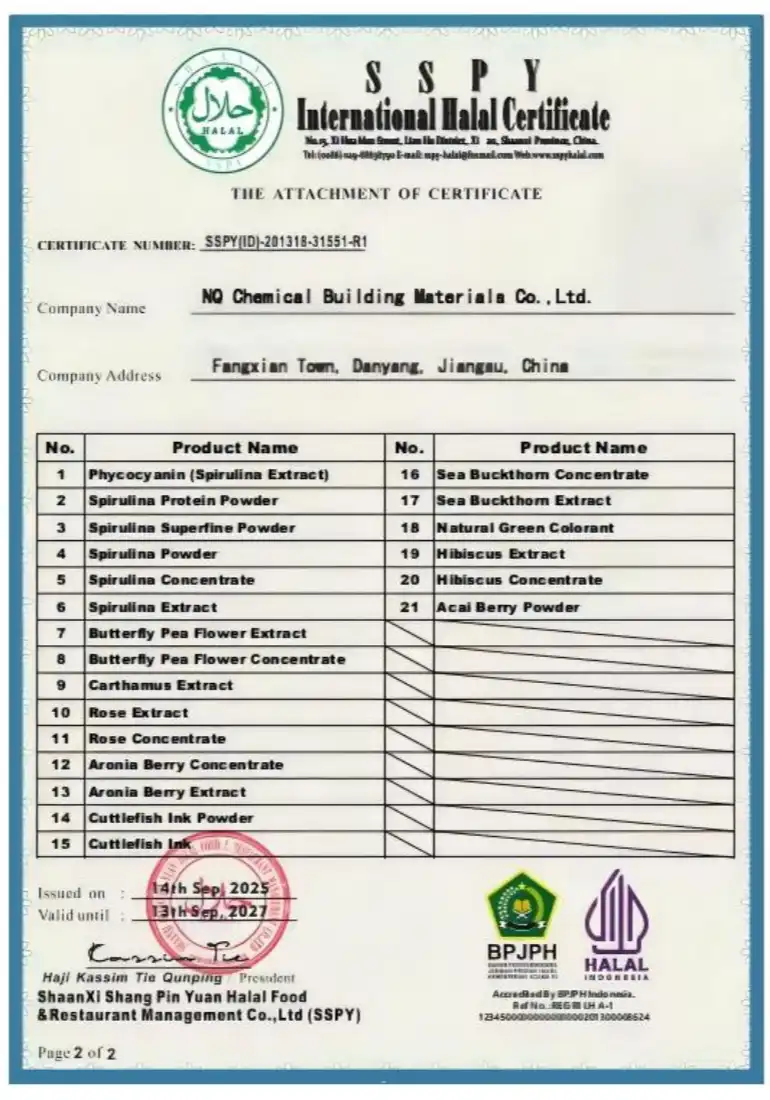
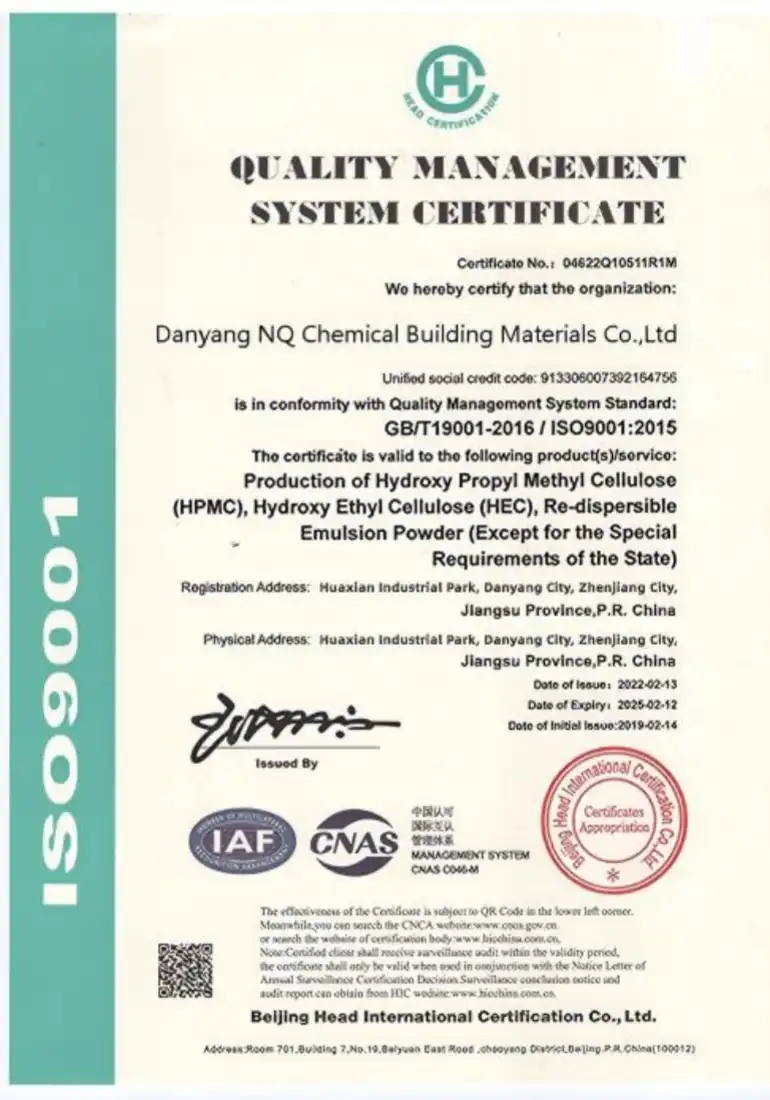
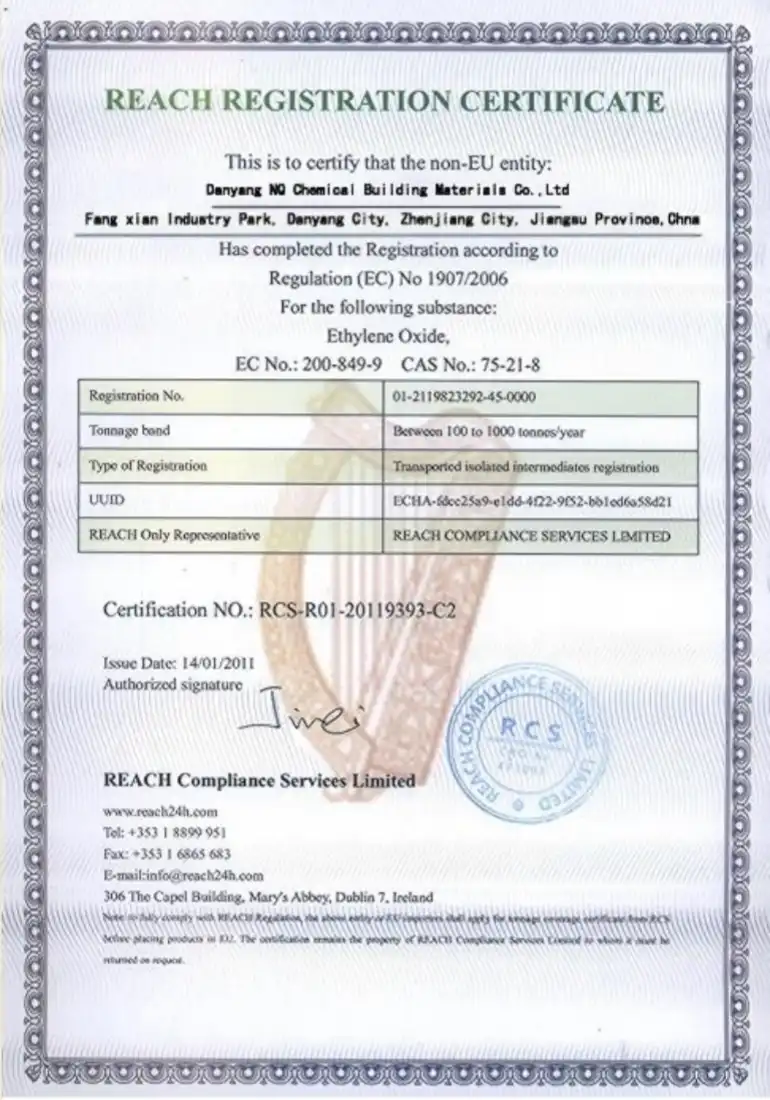
Certifications

Get Brochures of NQ Chemical

Cellulose Factory FAQ

Our MOQ is usually 1x20ft container.But we accept lower quantity for your trial order. Please feel free to inform us your plan for purchasing, we will offer the price correspond to your qty. And we hope your would increase your order qty after you check our
product quality and know our services.

We ship the goods via Shanghai port.

We can do custom color when reach our MOQ qty.
Our regular colors are white, yellow, green, blue, orange, red etc.

For printing label design, we need AI or PDF file for set up the print-plate.

The time of delivery is about 20~30days after we receive the deposit.

Usually we will take 7-10 days to make the samples.

By sea to your designated port.

1. Irrevocable L/C, Cash, PayPal, Credit card and T/T money transfers.
2.30% T/T deposit in advance, 70% balance before shipment after presentation of ready cargo.
3.L/C ( Irrevocable LC at sight)
If you need custom size such as gram weight and mesh size etc or private logo pls feel free inquiry us!

Cellulose FAQ

Cellulose powder is a fine, white, odorless powder made from cellulose, which is a natural polymer found in the cell walls of plants. It is often derived from wood pulp or cotton. Cellulose powder is used in various applications, including:

  • Food Industry: As a food additive, it acts as a thickener, stabilizer, or anti-caking agent.
  • Pharmaceuticals: Used as a filler or binder in tablets and capsules.
  • Cosmetics: Serves as a thickening agent or bulking agent in lotions and creams.
  • Industrial Uses: Utilized in the production of paper, textiles, and as a component in some biodegradable plastics.

Cellulose powder is non-digestible by humans, making it a source of dietary fiber when consumed in foods.

Yes, cellulose is a carbohydrate. Specifically, it is a polysaccharide made up of long chains of glucose molecules linked together. Unlike other carbohydrates, humans cannot digest cellulose, which is why it acts as a source of dietary fiber.

Yes, microcrystalline cellulose (MCC) is considered a natural ingredient. It is derived from cellulose, which is extracted from plant materials, primarily wood pulp or cotton. MCC is processed to create a fine, white powder that is commonly used as a bulking agent, stabilizer, or thickener in food, pharmaceuticals, and cosmetics.

Cellulose is used in various applications, including:

  • Food Industry: As a thickener, stabilizer, and anti-caking agent.
  • Pharmaceuticals: In tablet and capsule production as a binder or filler.
  • Cosmetics: As a thickening agent in creams and lotions.
  • Paper and Textiles: In the production of paper products and fabrics.
  • Biofuels: As a raw material for producing renewable energy sources.
  • Building Materials: In insulation and other construction applications.

These uses highlight cellulose’s versatility across different industries.

Cellulose insulation is a type of thermal and acoustic insulation made from recycled paper products, primarily newsprint, which is treated with fire-retardant chemicals. It is typically used in buildings to improve energy efficiency and reduce noise.

  • Key features of cellulose insulation include:
  • Sustainability: Made from recycled materials, making it an environmentally friendly option.
  • Effective Insulation: Offers good thermal resistance (R-value), helping to maintain consistent indoor temperatures.
  • Air Quality: Can help improve indoor air quality by reducing drafts and air leaks.
  • Soundproofing: Provides good acoustic insulation, reducing noise transfer between rooms.

Cellulose insulation can be installed in attics, walls, and floors, often using blown-in or dense-pack techniques.

Yes, cellulose is a polymer. It is a polysaccharide, which means it is made up of long chains of repeating units (monomers) of glucose. These chains are linked together by β-1,4-glycosidic bonds, forming a rigid and structural component in the cell walls of plants. Cellulose is the most abundant organic polymer on Earth and plays a crucial role in providing structural support to plants.

Yes, cellulose insulation is generally considered safe when properly installed. It is made from recycled paper and treated with fire-retardant chemicals to reduce flammability. However, like any insulation material, safety depends on proper installation and adherence to building codes.

  • Key safety aspects include:
  • Fire Resistance: Treated with fire-retardants, it is less likely to ignite.
  • Non-Toxic: Made from natural materials, it poses minimal health risks.
  • Dust Control: During installation, proper precautions should be taken to limit dust exposure.

Overall, when handled and installed correctly, cellulose insulation is a safe and effective choice.

Cellulose serves several essential functions, particularly in plants:

  • Structural Support: It provides rigidity and strength to plant cell walls, helping maintain their shape and integrity.
  • Protection: Cellulose helps protect plants from pathogens and physical damage.
  • Water Regulation: It plays a role in regulating water uptake and retention within plant cells.
  • Dietary Fiber: In human diets, cellulose acts as a source of dietary fiber, promoting digestive health.

Overall, cellulose is crucial for plant structure and function, as well as having significant benefits in human nutrition.

Vegetable cellulose refers to cellulose derived specifically from plant sources, typically from fruits, vegetables, or other plant materials. It is a natural, plant-based fiber that is often used in food products, pharmaceuticals, and cosmetics.

  • Key features include:
  • Food Additive: Used as a thickener, stabilizer, or bulking agent in various food products.
  • Dietary Fiber: Contributes to dietary fiber intake, aiding digestion.
  • Plant Source: It can be extracted from a variety of vegetables, such as carrots, or from wood pulp.

Vegetable cellulose is valued for its versatility and natural origins, making it a popular ingredient in health-conscious products.

Cellulose is classified as a polysaccharide, which is a type of carbohydrate. Specifically, it is a structural polysaccharide found in the cell walls of plants. As a polymer made up of glucose monomers linked by β-1,4-glycosidic bonds, it plays a crucial role in providing strength and rigidity to plant structures.

Cellulose or cellulosic fibers are fibers structured from cellulose, a starch-like carbohydrate. They are created by dissolving natural materials such as cellulose or wood pulp, which are then regenerated by extrusion and precipitation.

There is one major difference between Starch and Cellulose. For starch, glucose repeat units are located in the same direction, and each successive glucose unit is rotated 180 degrees in cellulose. Cellulose is thicker than sugar, which is water-insoluble.

Cellulose is a type of fiber that makes up the cell walls of plants. When you consume plant foods, you are eating cellulose. Many other foods, ranging from shredded cheese to low calorie or diet foods, have added cellulose to help with different properties. Cellulose also exists in supplement form.

The main difference between starch and cellulose is in their linkage because the glucose units in starch are connected by α- linkages, and that the glucose units in cellulose are connected by β- linkages.

Although the primary occurrence of cellulose is the existing material in forests with wood as the most important source, cellulose-containing materials include agricultural residues, water plants, grasses, and other plant substances.

Cellulose is classified as a complex carbohydrate since it has more than two units of sugar linked together. Cellulose is a polysaccharide. This suggests it’s made up of smaller, interconnected units.

Cellulose is a safe and inexpensive carbohydrate that comprises the woody parts and cell walls of plants. It is a type of dietary fiber found naturally in fruits, vegetables, and cereals.

Methyl cellulose is made from natural cellulose with white to milk-white colour. It is a tasteless powder (Fig. 8.32). It has multiple functions such as film-forming, emulsifiability, adhesive property and thickening property and is widely used in baked goods, fried foods, desserts, candies and soups as food additives.

While methyl cellulose is generally considered safe, there are some potential risks associated with its use in food products. One of the most significant risks is that it can cause digestive issues such as bloating, gas, and diarrhea in some individuals.

Contact

PRODUCTS